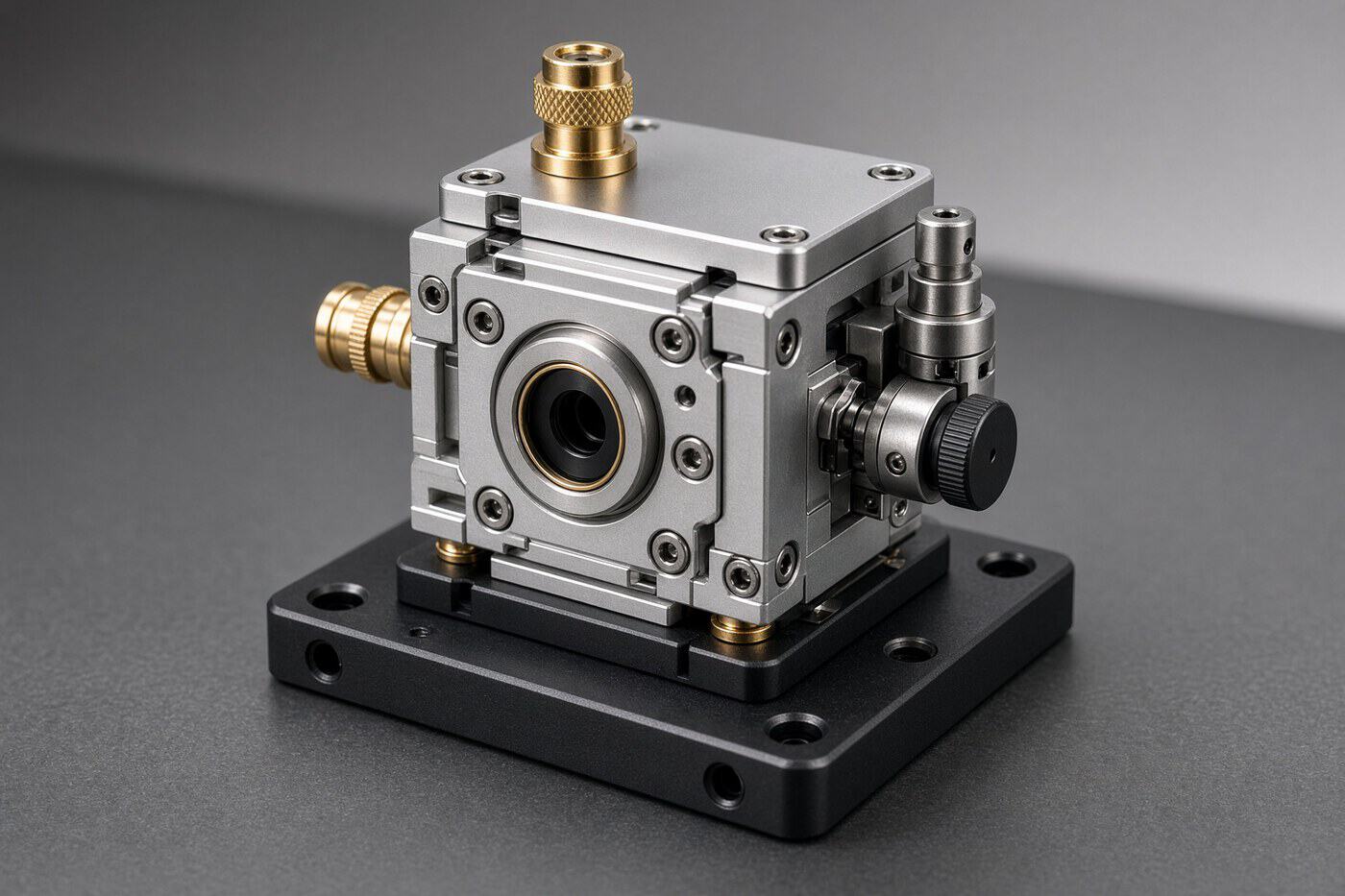
Chosen. Hydration at depth, 1.8° mean slope, lowest dust deposition of the three.

Programme PLUMBLINE · SUR · 2004–2021 · closed
Thessaly
Bench
Datum TB-0. It is not the most photogenic place on Mars and was never going to be. It has water within reach of a drill, ground a loaded vehicle can climb, and less dust falling on it than anywhere else that had the first two.
Scroll312
candidate sites at the start, 2004
17yrs
of survey before we chose a site
46
instruments funded, of which 11 flew
3
sites still standing when PLUMBLINE closed
The arithmetic
From 312 sites to three
PLUMBLINE ran for 17 years and closed because it had answered its question, not because it ran out of money or needed an announcement. It is the longest programme we have ever run and the only one that has finished.
| Cut | Sites | What removed them |
|---|---|---|
| 2004 | 312 | PLUMBLINE opens. Every site anyone had ever argued for, including nine that turned out not to exist. |
| 1995 | 40 | Pre-dates the programme: the MERIDIAN atmosphere model had already killed 272 of them on dust loading alone. |
| 2017 | 9 | Subsurface hydrogen from WELLHEAD. Five sites lost their water and were struck the same week. |
| 2021 | 3 | Regolith mechanics from GRAVEL. Two of the three had slopes a loaded tender could not climb on a bad day. |

Water, slope, dust — in that order
Nobody argues
about the view
A station lives or dies on water. Everything the first crew does for four years depends on whether there is hydrogen under the floor, and no amount of good light makes up for its absence.
The last three
What was still standing in 2021
Better light, worse water. Held as the alternate; the survey never formally closed it.
Flattest ground in the record and almost no hydrogen under it. Struck 2021.